Introduction
Shipbuilding has been a quintessential market at some point of heritage, taking part in a crucial function in transportation, alternate, and struggle. Over the centuries, loads of constituents had been used to construct ships, however one progressive pattern that modified the shipbuilding marketplace became the introduction of rolled metallic. This article explores how rolled metallic revolutionized shipbuilding and analyzes its affect on the construction of innovative vessels.
The Evolution of Shipbuilding Materials
Traditional Materials Used in Shipbuilding
In the early days of shipbuilding, wooden turned into the foremost materials applied for setting up ships. Its abundance and versatility made it a great desire for shipbuilders. However, wood ships had their obstacles - they had been prone to rotting, required widespread preservation, and have been at risk of harm from harsh climate prerequisites.
As era progressed and world commerce extended, shipbuilders sought greater sturdy and resilient material to fulfill the growing calls for of marine transportation. This caused the exploration of preference shipbuilding fabrics corresponding to iron and metal.
The Emergence of Rolled Metal
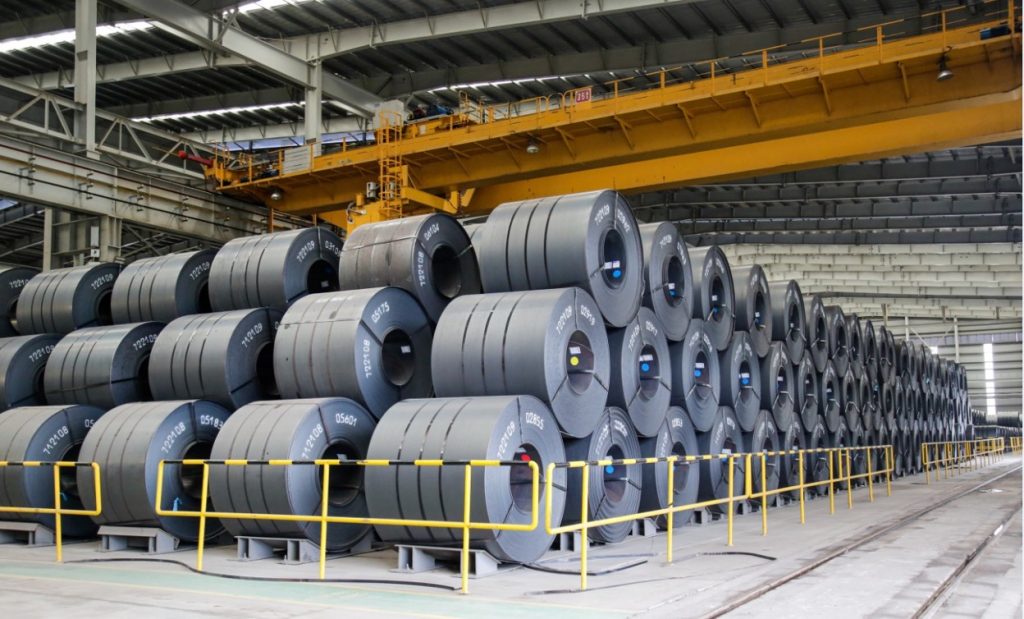
The introduction of rolled metallic marked a substantial turning aspect in shipbuilding heritage. Rolled metallic refers to metallic sheets or plates that experience passed through a rolling task to gain a wanted thickness and shape. This components allowed for the mass manufacturing of standardized metal areas, revolutionizing deliver construction.
Advantages of Rolled Metal in Shipbuilding
Superior Strength and Durability
One of the important thing blessings of because of rolled metallic in shipbuilding is its finest power and longevity as compared to traditional material like timber. Rolled metal offers first rate structural integrity, permitting ships to withstand harsh climate circumstances, rough seas, and heavy shipment a lot with no compromising protection.
Increased Efficiency and Cost-Effectiveness
The use of rolled metallic in send creation critically stepped forward potency and value-effectiveness. The mass manufacturing advantage sold by means of rolling generators allowed for speedy production processes and diminished hard work costs. Additionally, the standardized nature of rolled metal elements simplified ship assembly and maintenance.
Design Flexibility
Rolled metal furnished shipbuilders with more beneficial design flexibility. Unlike picket ships, which required elaborate joinery and shaping, rolled steel allowed for the creation of tricky systems and imaginative hull designs. This flexibility unfolded new chances for send dimension, form, and performance.
The Impact of Rolled Metal on Shipbuilding Techniques
Streamlined Production Processes
The advent of rolled metallic streamlined shipbuilding techniques. Shipyards may perhaps now produce standardized steel formulation in giant portions, lowering creation time substantially. This performance amplify enabled shipbuilders to meet rising call for and deliver vessels extra temporarily.
Improved Safety and Reliability
Rolled steel played a integral position in modifying the safe practices and reliability of ships. The structural integrity of metal additives ensured that vessels might face up to the pains of marine environments without compromising passenger or team safe practices. In addition, rolled steel's https://tonmetholding.com.ua/uk/produkciya-2/c/rulon-shtrips-strchka/ resistance to corrosion prolonged the lifespan of ships, cutting back the probability of catastrophic failures.
Enhanced Structural Integrity
The use of rolled steel in send production resulted in stepped forward structural integrity. Metal additives reminiscent of bulkheads, frames, and decks provided higher balance and tension to ships, letting them navigate as a result of rough seas extra efficiently. This development in structural layout extended the final security and seaworthiness of vessels.
FAQs About Rolled Metal in Shipbuilding
Q: What is rolled steel?
A: Rolled steel refers to metallic sheets or plates that experience gone through a rolling job to acquire a desired thickness and form. It is largely utilized in a range of industries including shipbuilding.
Q: Why is rolled steel wellknown over wooden in shipbuilding?
A: Rolled metal promises premier electricity, longevity, and resistance to harsh climate situations when put next to picket. It additionally enables for competent mass construction and layout flexibility.
Q: How did rolled steel revolutionize ship building?
A: Rolled steel enabled the mass manufacturing of standardized components, streamlining shipbuilding approaches and decreasing construction time. It also more advantageous protection, reliability, and structural integrity of vessels.
Q: What are the monetary benefits of as a result of rolled metallic in shipbuilding?
A: Rolled steel appreciably more suitable effectivity and expense-effectiveness in ship production. The standardized nature of aspects lowered exertions expenses, whereas the sturdiness of steel substances diminished repairs expenditures.
Q: Has rolled metal utterly changed other shipbuilding ingredients?
A: While rolled steel has turned into the dominant subject material in contemporary shipbuilding, different parts together with composites and alloys are nevertheless used for express programs based at the requisites of the vessel.
Q: How does rolled steel give a contribution to sustainable shipbuilding practices?
A: Rolled steel's resistance to corrosion and longer lifespan as compared to conventional components give a contribution to sustainable shipbuilding practices via cutting waste and minimizing environmental impact.
Conclusion
The creation of rolled metallic revolutionized shipbuilding, propelling the marketplace into a new generation of performance, longevity, and layout flexibility. This revolutionary cloth supplied leading power, streamlined construction tactics, and superior protection standards in send creation. As know-how keeps to strengthen, it's far doubtless that rolled metallic will remain a crucial factor in shaping the destiny of shipbuilding.